The Role of QMS in Ensuring Organizational Excellence
In today’s competitive business environment, maintaining high standards of quality and operational efficiency is essential for long-term success. A Quality Management System (QMS) is a structured framework of processes and procedures designed to ensure that an organization consistently meets or exceeds customer expectations while complying with regulatory requirements. QMS plays a vital role in achieving organizational excellence by streamlining operations, improving customer satisfaction, and fostering a culture of continuous improvement.
Key Components of a Quality Management System
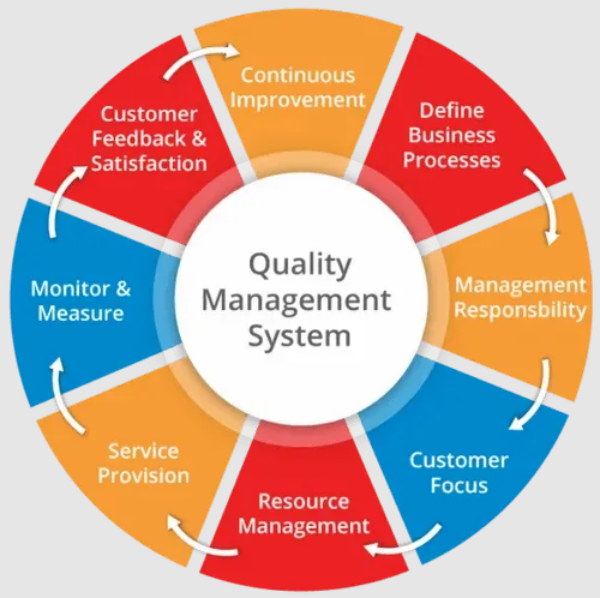
Leadership and Commitment: Top management must be actively involved in establishing, implementing, and maintaining the QMS. Leadership sets the tone for quality objectives, ensuring that the system aligns with the organization’s strategic goals and vision.
Customer Focus: A primary goal of QMS is to enhance customer satisfaction. By continually improving processes and ensuring that products or services meet the highest standards, organizations can create long-lasting relationships with their customers.
Process Approach: QMS operates based on a process approach, where every task, department, and function is part of an interconnected system. This method ensures that all processes work together efficiently to produce the desired outcomes.
Risk-Based Thinking: Modern QMS encourages proactive risk management. Identifying potential risks and addressing them early on can prevent issues from escalating and help the organization stay compliant with regulations.
Continuous Improvement: A core principle of QMS is the cycle of continuous improvement (Plan-Do-Check-Act or PDCA). Organizations that regularly assess and improve their processes are better positioned to adapt to market changes and grow sustainably.
How QMS Drives Organizational Excellence
1. Consistency in Deliverables
Implementing a QMS ensures that every product or service delivered by the organization meets a consistent standard of quality. Standardized procedures minimize variation, leading to reduced errors, higher reliability, and better overall performance.
2. Enhanced Customer Satisfaction
By focusing on quality, organizations can exceed customer expectations, leading to improved customer loyalty and repeat business. A well-implemented QMS ensures that customer feedback is incorporated into the system, enabling continuous improvements that keep the customer at the heart of operations.
3. Regulatory Compliance
For many industries, adhering to strict regulations is a necessity. A QMS helps organizations stay compliant by incorporating relevant legal and regulatory requirements into their processes. This not only prevents costly fines and legal issues but also bolsters the organization’s reputation for reliability and integrity.
4. Improved Operational Efficiency
A well-designed QMS reduces waste, optimizes resource use, and enhances overall operational efficiency. By clearly defining roles, responsibilities, and processes, organizations can avoid redundant tasks and streamline workflows, resulting in increased productivity.
5. Culture of Continuous Improvement
Organizations that adopt a QMS foster a culture of continuous improvement. Employees at all levels are encouraged to identify areas for improvement, share feedback, and contribute to the refinement of processes. This collective effort ensures that the organization evolves and remains competitive over time.
6. Risk Mitigation
QMS integrates risk management into the organizational framework. By identifying potential risks, analyzing their impact, and establishing preventive measures, companies can avoid disruptions, safeguard their operations, and protect their reputation.
Conclusion
The role of a Quality Management System in ensuring organizational excellence cannot be overstated. By improving consistency, enhancing customer satisfaction, ensuring compliance, driving operational efficiency, and fostering a culture of continuous improvement, QMS helps organizations achieve long-term success. Companies that prioritize quality through a well-structured QMS are better positioned to adapt to change, innovate, and thrive in today’s dynamic market environment.
For more information on how a Quality Management System can help your organization achieve excellence, contact us at 1–877–777–7942. Our experts are ready to assist you in building and maintaining a QMS tailored to your needs.


Comments
Post a Comment